

Herzlich willkommen in unserer Fachklinik für Ästhetische und Plastische Chirurgie in Freiburg.
In bewährter Kooperation mit dem Universitätsklinikum Freiburg.
Die Erich-Lexer-Klinik bietet Ihnen nicht nur eine hochprofessionelle, individuell angepasste und verantwortungsvolle Schönheitschirurgie, sondern auch eine maximale Sicherheit an medizinischer Versorgung und Betreuung. Die chirurgische Arbeit basiert auf höchsten plastisch-chirurgischen und plastisch-rekonstruktiven Standards.
Unser sympathisches Team konzentriert sich auf Ihre Wünsche und erarbeitet mit Ihnen ein nachvollziehbares Behandlungskonzept, welches das Machbare und das Sinnvolle feinfühlig abwägt. Ihre Gesundheit und die Stärkung Ihres Wohlbefindens stehen dabei immer im Zentrum.
Durch die Anbindung an das Universitätsklinikum Freiburg, basiert unsere chirurgische Arbeit auf höchsten plastisch-chirurgischen und plastisch-rekonstruktiven Standards.
Unsere Privatklinik in attraktiver Umgebung von Freiburg und dem Schwarzwald, sowie in unmittelbarer Nähe zum Elsass und der Schweiz, freut sich auf Sie!
Qualität schafft Vertrauen
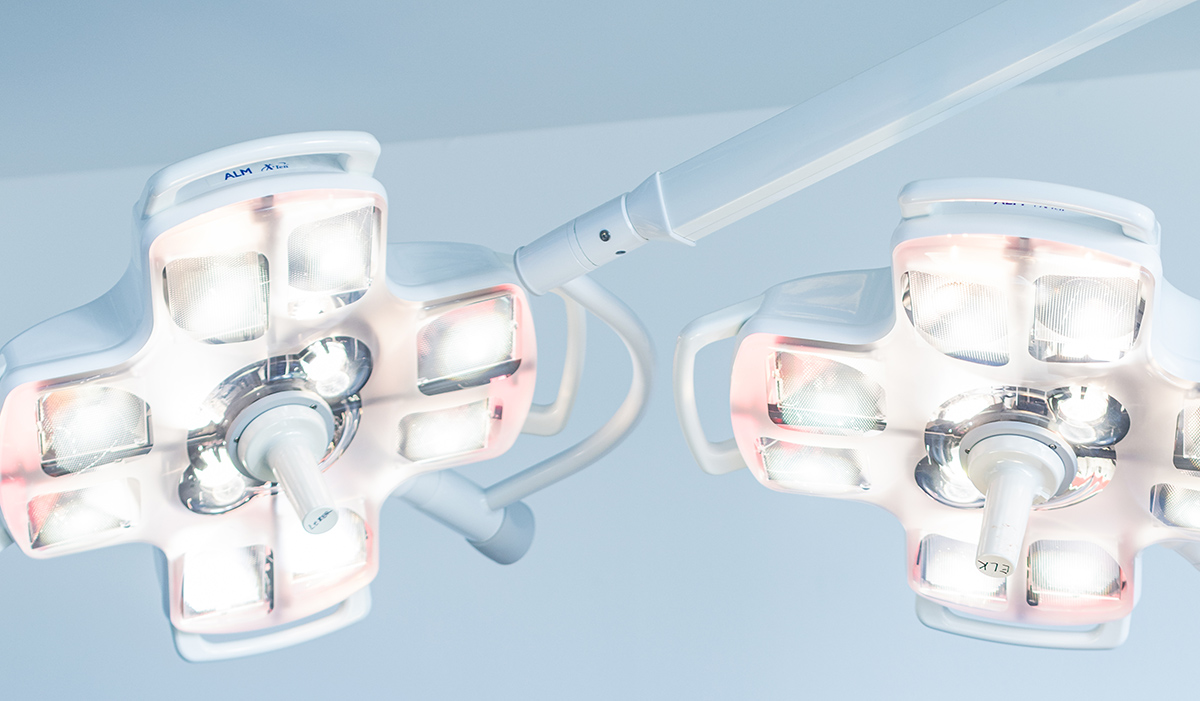
Unsere erfahrenen Fachärzte leiten die Abteilung Plastische Chirurgie am Universitätsklinikum Freiburg und sind Mitglieder der Deutschen Gesellschaft der Plastischen, Rekonstruktiven und Ästhetischen Chirurgen (DGPRÄC). Vertrauen Sie auf höchstes universitäres Niveau.




Das Größte und Schönste dem Zufall zuzuschreiben, wäre gar zu leichtfertig.
Aristoteles
Individuelle Beratung durch Fachärzte für Plastische und Ästhetische Chirurgie
Ob es um die Verlangsamung des Alterungsprozesses, die Unterstützung der natürlichen Schönheit oder um die Formung von Bauch, Beine und Po geht – ästhetische Eingriffe bei Frauen und Männern nehmen in den letzten Jahren deutlich zu. Spezialisiert auf diese Themen verstehen wir uns als Ansprechpartner für Ihr Aussehen und Wohlbefinden. In einem ersten Gespräch mit unseren erfahrenen Fachärzten und Fachärztinnen erörtern wir mit Ihnen das auf Sie abgestimmte Behandlungskonzept, informieren Sie über Aufwand, Ablauf, Heilungsverlauf, Risiken und Kosten.
Vereinbaren Sie mit uns hier einen unverbindlichen Beratungstermin!